
What Is Machine Vision Technology?
What is machine vision technology?
Cameras, lighting, lenses and software work together to capture and interpret images — powering automatic inspection, process control and robot guidance on production lines. Unlike a person, it never gets bored or tired: as accurate in the last minute of a shift as the first.
Our own GenVis and RoboVis® interpret images against agreed parameters to reject faulty parts, guide robots, or read codes — from a simple presence check through to full colour and 3D analysis, including driver-assistance systems. Choosing the right combination is where most projects go wrong; get in touchand we'll guide you through it.
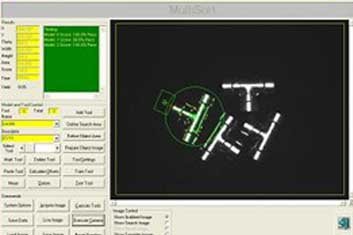
Machine vision applications.
There are many different applications in industrial environments. Just some of the projects Fisher Smith have researched include:
Label inspection on products
Robot guidance in robotics
Robotic vision inspection
Traceability of manufactured products
Medical vial inspection
Verifying engineered components
Engine part inspection
Final inspection cells
Checking orientation of components
Checking laser marks and cuts
Reading bar codes
Final inspection of sub-assemblies
Checking medical devices for defects
Verifying datamatrix codes
Packaging inspection
Food pack checks
Cameras and lenses.
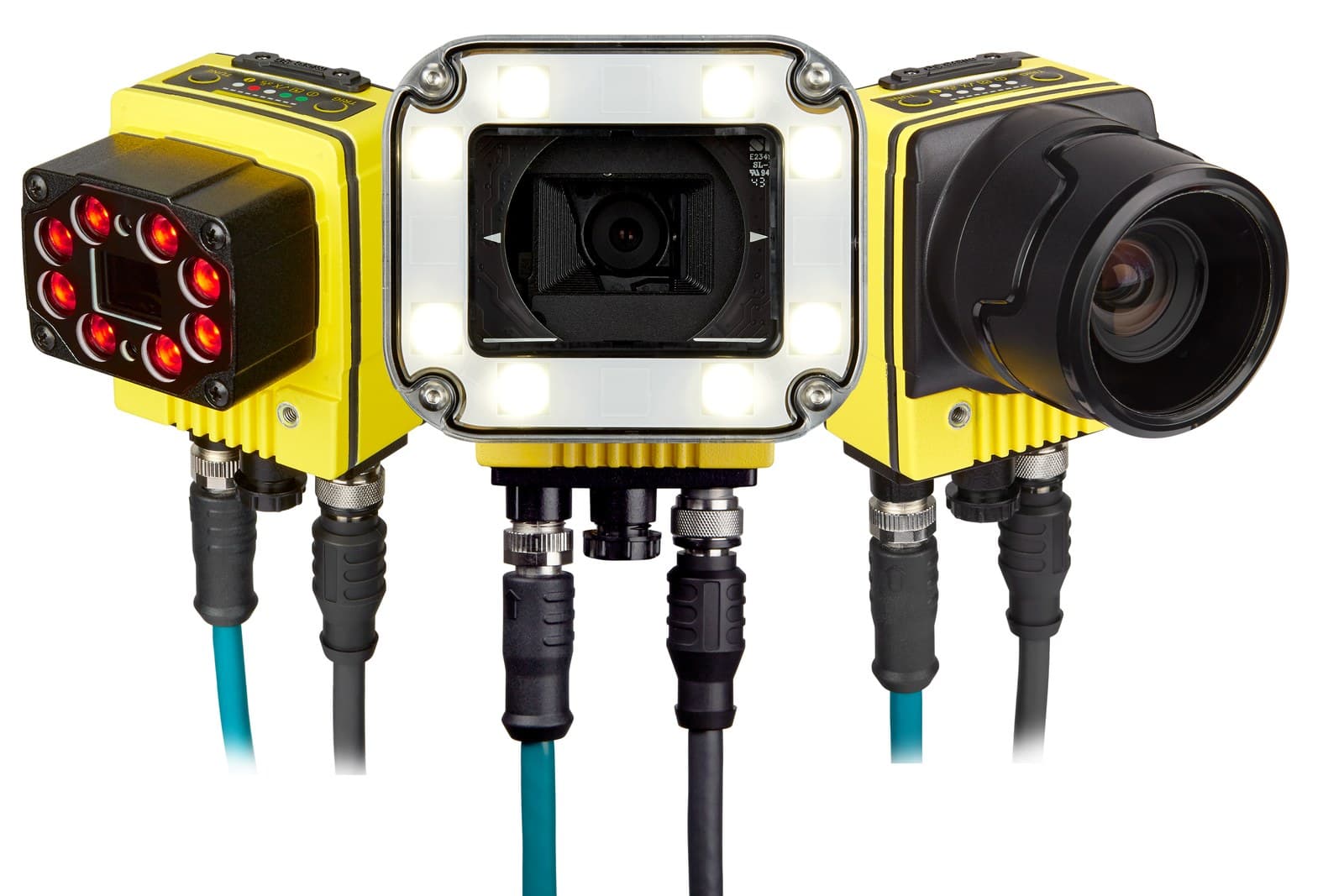
Machine vision cameras collect the image data, and the lens and optics focus the light onto the sensor — matched for focal length, field of view and sensor size, that pairing is what makes or breaks a 100% accurate system.
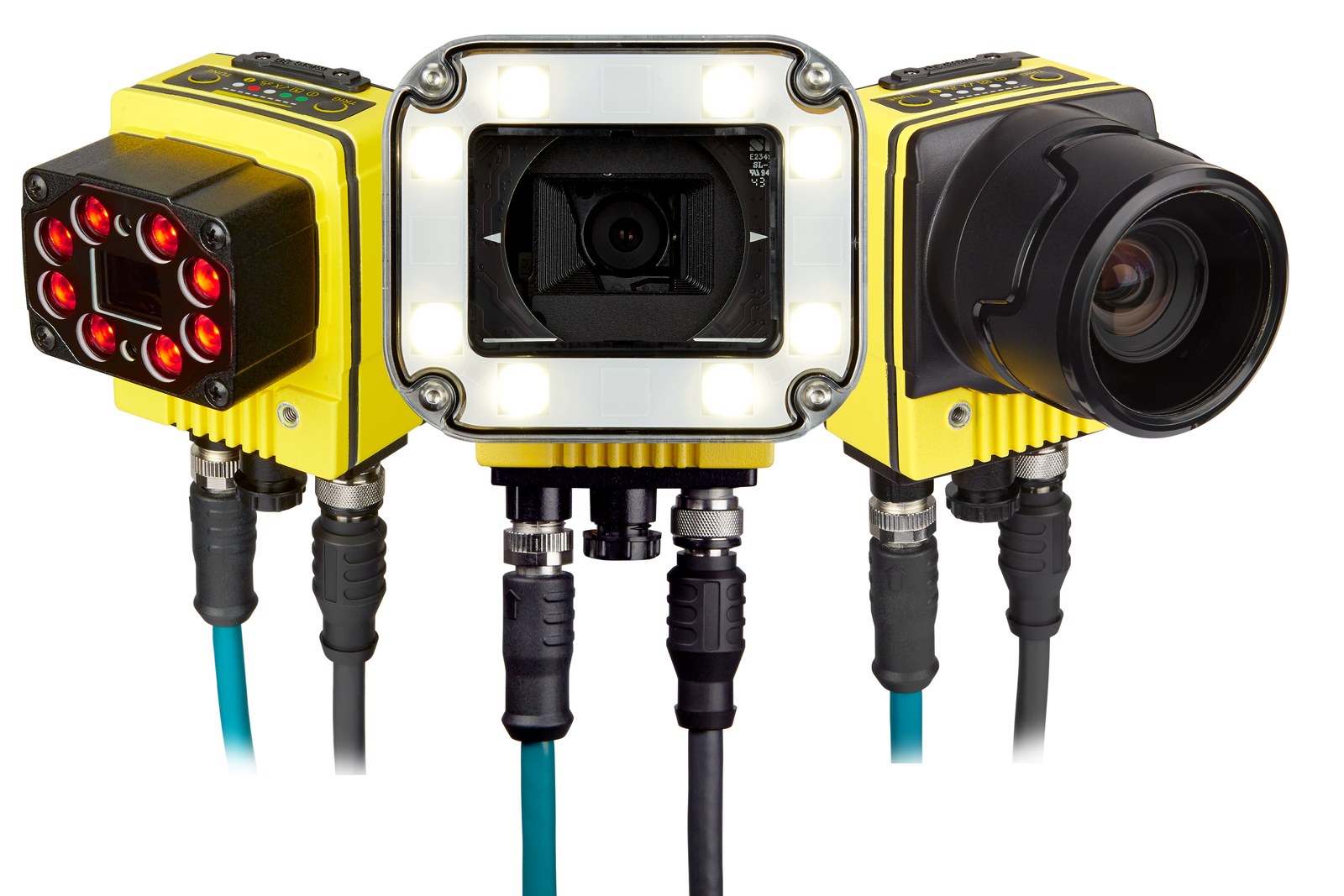
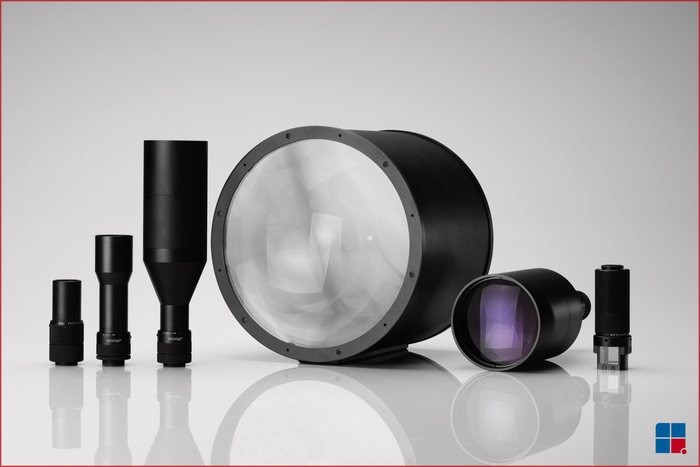
Formats range from smart, cooled, thermal and network cameras to board-level, 3D, line-scan and area-scan units. We also supply mounting adapters, capture cards and cables to go with them.
Lighting guide.
It's only as good as the lighting environment on the target space or product — never as simple as a standard fluorescent light. We have the knowledge and access to all the major machine vision lighting solutions to get it right. Types of light include:
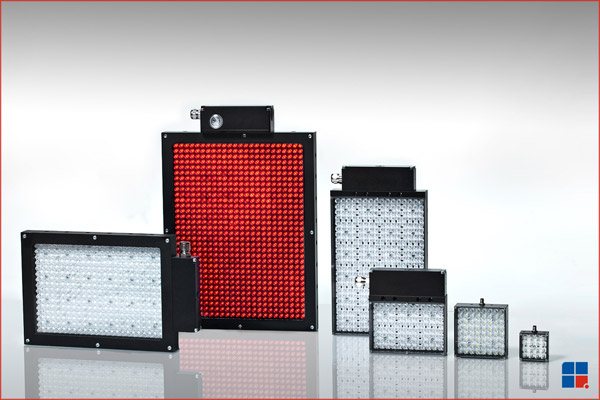
Line lights — uniform lighting over a wide field of view
Area lights — common, rectangular lighting
LED lighting — consistent, reliable and robust
Co-axial lights — diffused, uniform light ideal for flat and reflective surfaces
Spot lights — focussed light from a long working distance away
Dark-field lights — used to produce sharp contrasts on surface features
Structured lights — can use lasers and measure 3D objects
Dome lights — uniform lighting best used on uneven surfaces
Back light — diffused lighting, great at outlining components and holes in objects
Telecentric lights — high contrast lighting, ideal for measurement applications
Ring lights — allows a camera to see directly through the middle of the light
Smart lights — the Vicolux range can provide a constant light whatever the changing conditions
Machine vision software.
Machine vision software interprets the image against set parameters — pattern recognition, blob analysis, temperature and 3D measurement, alignment checks — and triggers the resultant action.
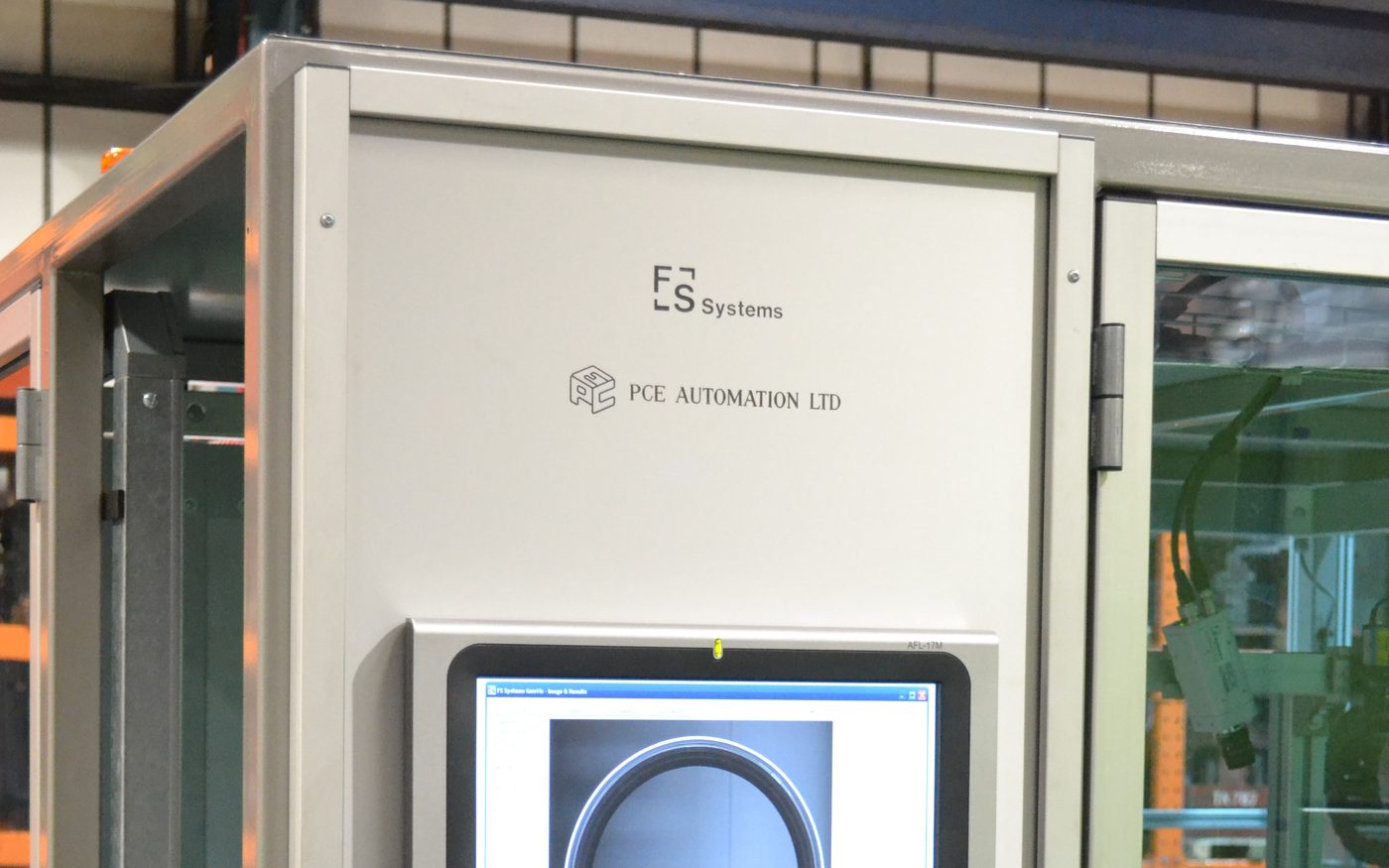
It's a crowded, complex market: weigh processing power, memory and integration needs against the cost of custom programming, and pick a vendor with real support behind it.
Why Fisher Smith?
We project-manage complete systems — handling, inspection and packing — across automotive, medical and aerospace, in the UK and globally, calling on trusted partners for any non-vision elements.
- Consultation, FAQs and evaluation reports before you commit to a spec
- Quotes covering every component — lighting, optics and processing — at a fair price
Integration and support
Installation and commissioning managed around your mechanical and electrical constraints, with support that stays involved post-launch as your product or process changes.
- Remote access support for fast response once you're live
- Process-enhancement input as your product or line evolves
Fisher Smith will quote for